
Have you been hurt in an accident that wasn’t your fault? You might be feeling overwhelmed, confused, or even unsure about what to do next.
That’s where a personal injury claim lawyer comes in. They are your guide and advocate, fighting to get you the compensation you deserve. Whether it’s medical bills, lost wages, or pain and suffering, the right lawyer helps make sure your voice is heard.
Keep reading to discover how a personal injury claim lawyer can protect your rights and help you rebuild your life after an injury.

Why Hire A Personal Injury Lawyer
Legal representation helps protect your rights and interests. Lawyers know the laws and rules well. They handle paperwork and deadlines so you do not have to worry. A lawyer can explain complex legal terms in simple words.
Lawyers work to increase your compensation. They gather evidence like photos, witness statements, and medical reports. They negotiate with insurance companies to get a fair settlement. Lawyers also know when a case should go to court for more money.
Contact a lawyer soon after an injury. Early help means better evidence and stronger claims. Delays may hurt your case or reduce compensation. A lawyer can guide you through each step of the claim process clearly and calmly.

Types Of Personal Injury Claims
Car and truck accidents cause many injuries each year. These claims cover harm from crashes due to careless or reckless drivers. Victims may seek compensation for medical bills, lost wages, and pain.
Slip and fall injuries happen on unsafe properties. These cases involve property owners’ failure to fix hazards. Injuries can range from minor bruises to serious fractures. Claimants often ask for damages to cover treatment and suffering.
Medical malpractice occurs when doctors or nurses make mistakes. Patients suffer harm from wrong treatments or misdiagnoses. Lawsuits aim to recover costs for extra care and emotional distress.
Workplace injuries happen during job tasks. These claims help workers injured by unsafe conditions or equipment. Benefits may include medical expenses, rehabilitation, and lost income.
Steps To File A Personal Injury Claim
Gathering evidence is the first step. Collect photos, medical records, and witness statements. These prove what happened and how it affected you.
Filing the claim means submitting all documents to the right insurance company or court. Make sure to meet all deadlines to avoid delays.
Negotiating with insurance companies often follows. Stay calm and clear. Insurance adjusters may offer less than you deserve. Be prepared to negotiate for fair compensation.
Preparing for trial happens if no deal is reached. Your lawyer will help organize your evidence and practice your story. This step ensures you are ready to present your case in court.
Calculating Your Compensation
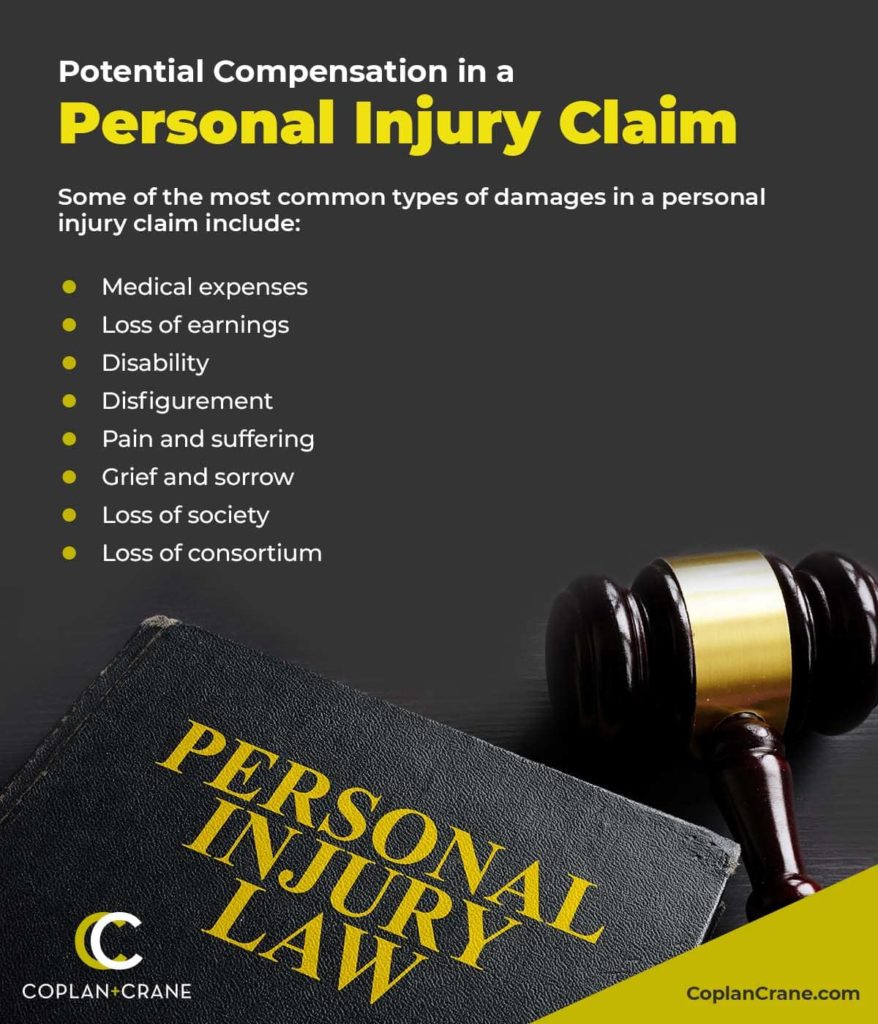
Economic damages cover costs that can be added up easily. These include medical bills, lost wages, and repair costs. They are clear and backed by receipts or proof.
Non-economic damages are harder to count. They include pain and suffering, emotional distress, and loss of enjoyment of life. These damages try to value personal losses.
Punitive damages are meant to punish the wrongdoer. They happen if the defendant acted very carelessly or intentionally. These are less common but can raise compensation.
| Factor | Effect on Settlement |
|---|---|
| Severity of Injury | More serious injuries usually mean higher settlements. |
| Medical Costs | Higher costs increase the compensation amount. |
| Lost Income | Time missed from work adds to the claim value. |
| Defendant’s Liability | Clear fault leads to better chances of full settlement. |
| Insurance Limits | Policy limits can cap the maximum payout. |
How Personal Injury Lawyers Charge Fees
Contingency fee agreements are common with personal injury lawyers. This means the lawyer gets paid only if the client wins the case. The fee is usually a percentage of the settlement or award, often between 30% and 40%. This helps clients avoid upfront costs.
Other possible costs may include fees for court filings, expert witnesses, and medical records. These costs might be paid by the client or deducted from the settlement. Clients should ask their lawyer about these expenses early on.
Many personal injury lawyers offer free consultations. This meeting lets clients explain their case and learn about legal options without paying. It helps decide if hiring a lawyer is the right step.
Common Challenges In Injury Claims
Insurance adjusters often try to settle claims quickly for less money. They may ask confusing questions to find reasons to deny your claim. Stay calm and give only necessary information. Never admit fault or accept the first offer without advice.
Proving liability means showing who caused the injury. This can be tricky if facts are unclear or witnesses disagree. Gathering evidence like photos, medical reports, and witness statements is very important. Clear proof helps build a strong claim.
Disputed claims happen when the other side denies responsibility or questions your damages. This can delay payment and cause frustration. Patience and persistence are key. Sometimes, a lawyer’s help is needed to negotiate or take the case to court.
Tips To Maximize Your Compensation
Documenting your injuries is essential for a strong claim. Take clear photos of all wounds and damages. Keep all medical reports and bills safe. Write down how the injury affects daily life. This evidence helps prove the injury’s impact.
Following medical advice shows you take your recovery seriously. Attend all doctor visits and follow treatments exactly. Missing appointments or ignoring instructions can hurt your case. Good records of treatment also support your claim for compensation.
Avoiding social media mistakes protects your case. Do not post anything about your injury or lawsuit. Opposing lawyers may use posts against you. Keep your social media private and do not discuss your case online.
Choosing the right lawyer makes a big difference. Find a lawyer with experience in personal injury cases. Check reviews and ask for referrals. A good lawyer will explain your rights and guide you through the process.
Finding The Best Personal Injury Lawyer In Austin
Start by searching for local lawyers with personal injury experience. Check their credentials like licenses and years of practice. Reading online reviews can show how past clients felt about their work. Pay attention to ratings and testimonials.
During consultations, ask clear questions. For example, ask about their success rates and typical case outcomes. Find out if they charge fees upfront or only after winning. Also, ask how they plan to handle your case and how often they will update you.
Frequently Asked Questions
How Much Do Most Personal Injury Lawyers Charge?
Most personal injury lawyers charge a contingency fee, typically 33% to 40% of the settlement or award. No upfront costs apply.
Is It Worth Suing For Personal Injury?
Suing for personal injury can be worth it if you seek fair compensation for medical bills, lost wages, and pain. Consult a trusted lawyer to evaluate your case’s strength and potential value before proceeding.
How Much Will I Get From A $25,000 Settlement?
From a $25,000 settlement, expect to receive about 60-70% after legal fees and expenses. Exact amounts vary by case.
How Much Do You Normally Get From A Personal Injury Claim?
Personal injury claim amounts vary widely based on injury severity, medical costs, lost wages, and pain suffered. Settlements often range from thousands to millions. An experienced Austin lawyer can estimate your case’s value after reviewing details.
Conclusion
Choosing the right personal injury claim lawyer can make a big difference. A skilled lawyer guides you through complex legal steps. They work hard to secure fair compensation for your losses. Knowing your rights helps you feel more confident. Don’t wait too long to seek legal advice.
Protect your future by taking action early. Trust a lawyer who listens and understands your needs. Your case deserves careful attention and strong support.
Read More
- Fault Driver Insurance Claim: Maximize Your Compensation Today
- Driver Accident Claim Payout: Maximize Your Compensation Today
- Car Crash Compensation Claim: Maximize Your Settlement Today
- Motor Accident Settlement Calculator: Maximize Your Claim Today
- Vehicle Injury Claim Estimate: Maximize Your Compensation Today
- Car Accident Legal Advice: Essential Tips to Protect Your Rights
- Driver Negligence Attorney: Winning Your Accident Claim Fast
- Insurance Dispute Lawyer Cost: What You Need to Know Today
- Motorist Claim Protection Plan: Safeguard Your Wallet Today
- Accident Liability Insurance Quote: Get Fast, Affordable Coverage Today