

Have you recently been in a vehicle accident and wonder how much your injury claim might be worth? Understanding your vehicle injury claim estimate is crucial for making informed decisions about your next steps.
You deserve to know what compensation you could expect to cover medical bills, lost wages, and the pain you’ve endured. This guide will help you grasp the basics of estimating your claim, so you can feel confident when dealing with insurance companies or legal matters.
Keep reading to discover how to get a clear picture of your claim’s potential value and protect your rights every step of the way.

Claim Value Factors
Medical expenses include hospital bills, doctor visits, and medication costs. These costs add up fast and are a big part of your claim.
Lost wages cover the money you missed while unable to work. This also includes future earnings if your injury affects your job.
Property damage involves repair or replacement of your vehicle and any personal items harmed in the accident.
Pain and suffering reflect the physical pain and emotional distress caused by the injury. This factor can vary widely.
Future care costs account for ongoing medical needs like therapy or special equipment. These costs can last for years.
Using Injury Claim Calculators
Types of calculators include personal injury, car accident, and settlement estimators. They help users quickly find an estimated payout amount based on input details.
Calculators estimate compensation by considering medical bills, lost wages, and pain and suffering. Some use formulas that weigh injury severity and fault percentages. Others ask for accident details to produce a rough claim value.
Limitations exist. Calculators cannot replace expert legal advice. They provide estimates, not exact amounts. Results depend on the accuracy of entered information. Complex cases or state laws may change compensation.
Use calculators as a starting point. They give a simple, fast way to understand possible claim size. Always confirm with a qualified attorney for best results.
Maximizing Your Settlement
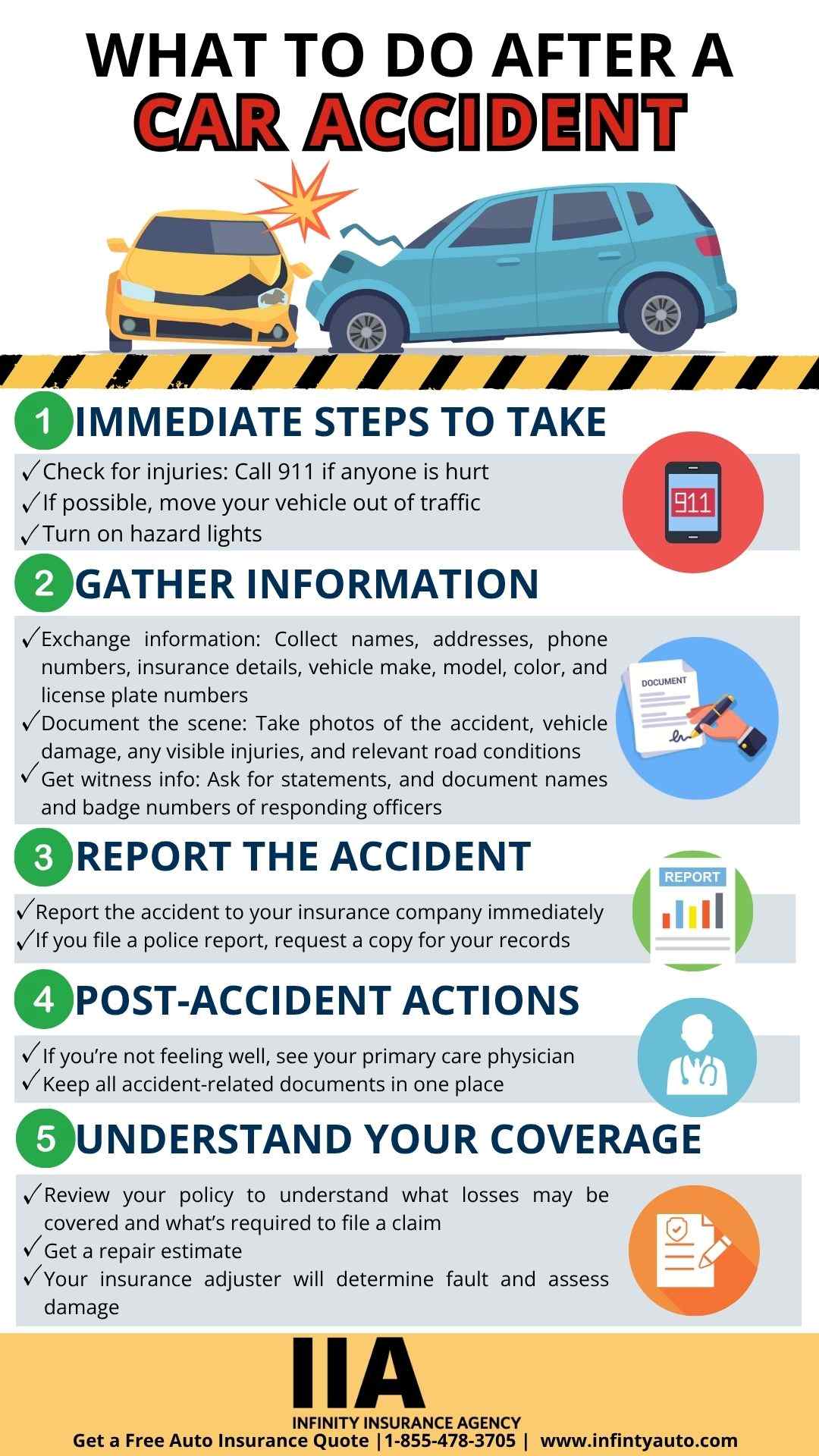
Documenting your injuries is key to a strong claim. Take clear photos of all wounds. Visit a doctor right after the accident. Keep all medical records and bills safe. Write down how pain affects your daily life. This shows the true impact of your injury.
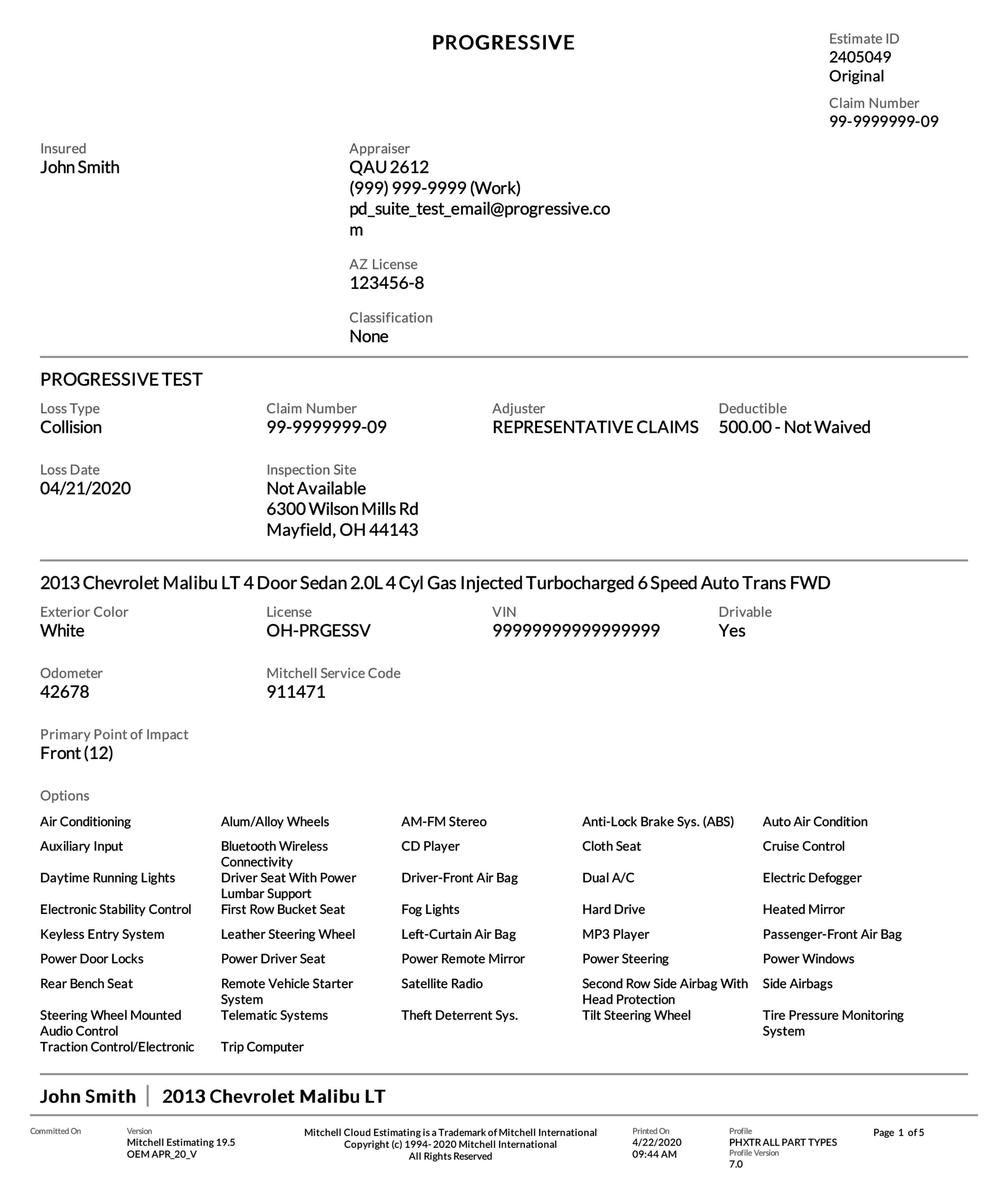
Gathering evidence helps prove your case. Collect police reports and witness contacts. Save any repair estimates for your vehicle. Record dates and times of medical visits. Keep notes on conversations with insurance agents. All this supports your claim well.
Negotiation tips include staying calm and polite. Know your claim’s value before talks. Don’t accept the first offer. Ask for explanations if the offer seems low. Be ready to explain your injury and costs clearly. Patience often leads to better results.
When to hire an attorney: Seek help if the case is complex. A lawyer can handle tricky negotiations. They know the law and can fight for you. If the insurance company denies your claim, a lawyer helps. Hiring a pro can increase your settlement chances.
Legal And Insurance Processes
Filing a claim starts with notifying your insurance company quickly. Provide all details about the accident and injuries. Keep copies of all documents like medical records and repair bills. Insurance companies often use tactics to lower payouts. They may ask for recorded statements or dispute injury severity. Stay calm and answer only what is asked. Never accept the first offer without checking with a lawyer. The timeline for settlements varies. Some claims resolve in a few weeks, others take months. Complex cases with serious injuries usually take longer. Patience and persistence are key. Keep track of all communications and deadlines to protect your rights.
State-specific Considerations
Texas injury claim rules can affect your compensation amount. Texas uses a comparative fault system, which means your payout might be reduced if you share blame for the accident. The state also has a statute of limitations of two years to file a claim. Medical expenses, lost wages, and pain and suffering are considered in the estimate. Understanding these rules helps in setting realistic expectations.
Comparing state calculators shows differences in how claims are valued. Each state uses its own formula, considering local laws and average settlement amounts. Some calculators include more detailed factors like future medical costs or property damage. Using a calculator specific to your state gives a more accurate estimate.
Local legal resources provide guidance and support. Many Texas law firms offer free consultations and claim calculators online. These resources help you understand your rights and the claim process. Accessing local experts ensures your claim follows Texas rules correctly.
Common Mistakes To Avoid
Accepting low offers can cost you more in the long run. Insurance companies often start with low settlements. Take time to review all damages carefully before agreeing. Do not rush decisions.
Delaying medical treatment harms your health and your claim. Early treatment shows clear injury evidence. Missing or late records can reduce your compensation. See a doctor quickly after the accident.
Ignoring legal deadlines risks losing your right to claim. Each state has a time limit for filing injury claims. Missing these deadlines usually means no compensation. Mark important dates and act promptly.
Frequently Asked Questions
How Much Will I Get From A $50,000 Settlement?
From a $50,000 settlement, expect deductions for legal fees, medical bills, and taxes. Your payout typically ranges between $30,000 and $40,000. The exact amount depends on case specifics and expenses. Use a settlement calculator for a personalized estimate.
How Much Will I Get From A $25,000 Settlement?
From a $25,000 settlement, expect to receive around $15,000 to $20,000 after legal fees and expenses. Exact amounts vary by case.
How Much Will I Get Out Of A 100k Car Settlement?
A $100K car settlement payout varies by medical bills, lost wages, pain, and other damages. Use a calculator for estimates.
What To Do With A $500,000 Settlement?
Invest in a diversified portfolio, pay off debts, save for emergencies, consult a financial advisor, and plan for taxes.
Conclusion
Estimating your vehicle injury claim helps you understand possible compensation. Knowing your claim value guides better decisions after an accident. Use reliable tools to get a clear estimate quickly. Keep all medical and damage records for accuracy. Acting early improves your chances of fair compensation.
Stay informed and prepared throughout the claim process. This way, you protect your rights and financial well-being.
Read More
- Fault Driver Insurance Claim: Maximize Your Compensation Today
- Driver Accident Claim Payout: Maximize Your Compensation Today
- Car Crash Compensation Claim: Maximize Your Settlement Today
- Motor Accident Settlement Calculator: Maximize Your Claim Today
- Car Accident Legal Advice: Essential Tips to Protect Your Rights
- Driver Negligence Attorney: Winning Your Accident Claim Fast
- Insurance Dispute Lawyer Cost: What You Need to Know Today
- Personal Injury Claim Lawyer: Maximize Your Compensation Today
- Motorist Claim Protection Plan: Safeguard Your Wallet Today
- Accident Liability Insurance Quote: Get Fast, Affordable Coverage Today
