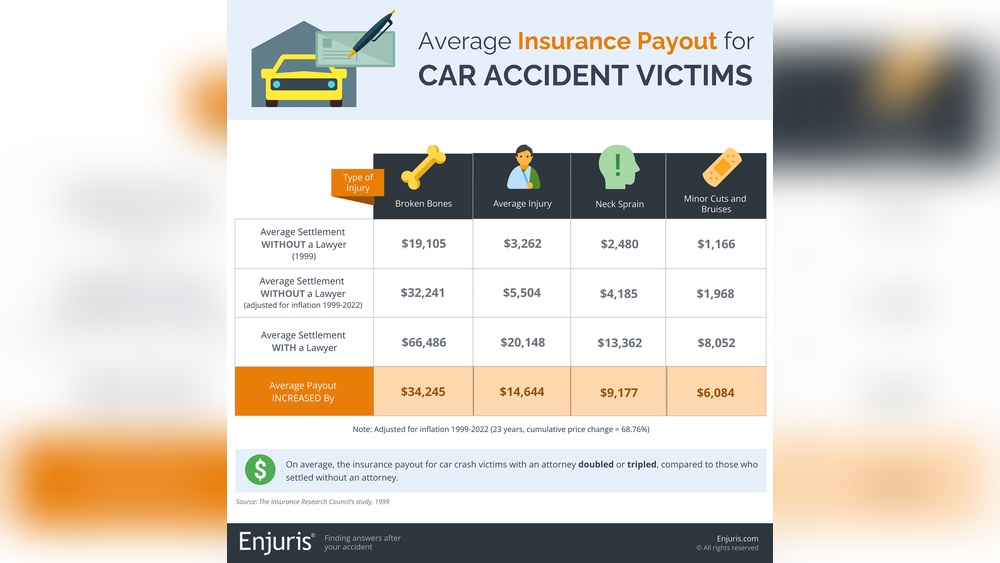

Have you recently been in a car crash and wonder if you’re entitled to compensation? Navigating a car crash compensation claim can feel overwhelming, but understanding your rights is the first step toward getting what you deserve.
Whether you’re facing medical bills, lost wages, or pain and suffering, your claim is more than just paperwork—it’s about securing your future. You’ll discover how to build a strong case, avoid common mistakes, and maximize your compensation. Keep reading to learn exactly what you need to do to protect yourself and get the best possible outcome after a car accident.

Car Crash Claims In Texas
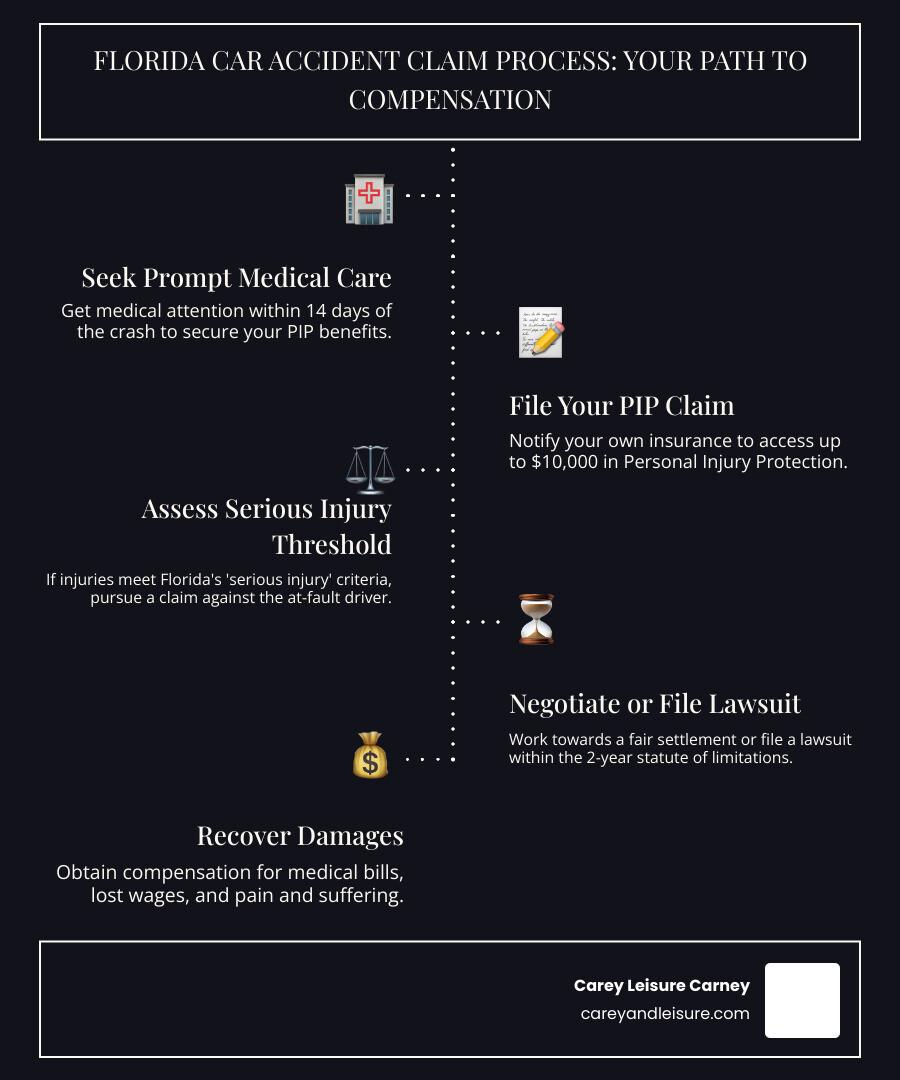
Texas follows the at-fault rule. This means the driver who caused the crash pays for damages. Their liability insurance covers the costs. The injured person files a claim against the at-fault driver’s insurance.
Third-party claims happen when you claim against someone else’s insurance. You are not filing a claim on your own policy. This claim covers your medical bills, car repairs, and lost wages.
The role of liability insurance is to protect both drivers. It pays for injuries and damage caused by the insured driver. If the at-fault driver has no insurance, the process becomes harder.

Types Of Compensation
Economic damages cover costs like hospital bills, lost wages, and rehab expenses. These damages are easier to calculate because they involve real money spent or lost.
Non-economic damages include pain, suffering, and emotional distress. These are harder to put a dollar amount on but are important for full compensation.
Property damage claims cover repairs or replacement of your car and other personal items damaged in the crash. Insurance usually pays for these damages.
Pain and suffering awards compensate for physical pain and emotional stress caused by the accident. Courts may use formulas or judge discretion to decide amounts.
Building A Strong Claim
Documenting your injuries means writing down all pain and problems after the crash. Take photos of bruises, cuts, or broken things. Keep all doctor reports and bills safe. These papers show how bad the injuries are.
Gathering evidence is very important. Collect police reports, witness names, and contact info. Take pictures of the crash scene and car damages. This proof helps show what happened clearly.
Avoiding common mistakes can save your claim. Do not say sorry or blame yourself. Do not sign any papers without reading them. Always tell the truth and stay calm when talking with insurance people.
Working with medical experts helps prove your injuries. Doctors and therapists write reports and explain how the crash hurt you. Their words carry weight in your claim. Follow all medical advice and keep visits on time.
Maximizing Your Settlement
Calculating lost wages requires adding your missed work hours and pay rate. Include bonuses and overtime pay if applicable. Keep records of pay stubs and employer statements for proof.
Including future expenses means estimating ongoing medical care costs and rehabilitation. Consider therapy, medications, and any special equipment you may need. Future lost wages should also be factored in if you cannot return to work soon.
Negotiation tips focus on staying calm and clear. Present all evidence like medical bills and wage documents. Be patient but firm when discussing settlement amounts. Know your bottom line and do not rush to accept low offers.
When to hire a lawyer depends on case complexity and insurance company behavior. Hire one if the insurer denies your claim or offers unfairly low compensation. A lawyer can help gather evidence and negotiate better settlements.
Claim Process Timeline
Initial Insurance Contact usually happens right after the crash. You must report details quickly to start your claim. Be clear and honest about what happened. The insurance company will collect your information and explain the next steps.
Investigation Phase involves checking facts and damages. The insurer may talk to witnesses or review police reports. They assess your injuries and vehicle damage. This phase can take several weeks.
Settlement Offers come after the investigation. The insurance company suggests a payment amount for your claim. Review the offer carefully. It may cover medical bills, lost wages, and repairs.
When to Consider Litigation is if the offer is too low or denied. Filing a lawsuit may become necessary to get fair compensation. Legal advice helps decide if this step is right for you.
Tips After A Car Crash
At the scene, ensure everyone is safe and call the police immediately. Collect details like names, phone numbers, and insurance information from other drivers. Take photos of the vehicles and the accident spot. Do not admit fault or discuss blame with others.
Report the accident to your insurance company as soon as possible. Provide accurate and clear information about what happened. Keep a copy of the claim number and contact details for follow-up.
Seeking medical treatment is critical, even if injuries seem minor. Some injuries show symptoms later. Keep all medical records and bills; they are important for your claim.
Maintain a detailed record of all expenses related to the crash. This includes medical bills, repair costs, and any lost wages from work. Organizing these helps prove your losses during the compensation process.
Frequently Asked Questions
How Much Will I Get From A $50,000 Settlement?
From a $50,000 settlement, expect deductions for legal fees, medical bills, and taxes. Your net amount varies by case specifics.
How Much Compensation Can You Get From A Car Crash?
Compensation from a car crash varies by injury severity, damages, and liability. It covers medical bills, lost wages, pain, and suffering. Economic damages are calculable, while non-economic are subjective. Settlement amounts differ widely based on case specifics and insurance policies involved.
How To Get The Most Compensation From A Car Accident?
Document all injuries, damages, and expenses with photos and records. Report the accident promptly to your insurer. Consult an experienced car accident lawyer to negotiate your claim. Avoid quick settlement offers and prove the full extent of your losses for maximum compensation.
What Is The Average Settlement Time For A Car Accident?
The average car accident settlement takes about 3 to 6 months. Complex cases may require longer, sometimes over a year.
Conclusion
Car crash compensation claims can help you recover losses after an accident. Know your rights and gather all important evidence. Act quickly to meet claim deadlines and avoid issues. Clear records of medical bills and damages strengthen your case. Seek advice from trusted sources if unsure about the process.
Stay patient, as claims take time to resolve fairly. Protect yourself by understanding how compensation works in Texas. Your careful steps can lead to a fair settlement. Safety and justice matter most after a car accident.
Read More
- Fault Driver Insurance Claim: Maximize Your Compensation Today
- Driver Accident Claim Payout: Maximize Your Compensation Today
- Motor Accident Settlement Calculator: Maximize Your Claim Today
- Vehicle Injury Claim Estimate: Maximize Your Compensation Today
- Car Accident Legal Advice: Essential Tips to Protect Your Rights
- Driver Negligence Attorney: Winning Your Accident Claim Fast
- Insurance Dispute Lawyer Cost: What You Need to Know Today
- Personal Injury Claim Lawyer: Maximize Your Compensation Today
- Motorist Claim Protection Plan: Safeguard Your Wallet Today
- Accident Liability Insurance Quote: Get Fast, Affordable Coverage Today