
Have you ever found yourself wondering what happens when you’re the fault driver in a car accident? Navigating an insurance claim in this situation can feel confusing and overwhelming.
You might ask yourself, “Will my insurance cover the damages? What if the other driver files a claim against me? How is fault actually determined? ” Understanding the ins and outs of a fault driver insurance claim is crucial to protecting yourself and your finances.
You’ll discover clear, simple answers to these questions and learn exactly what steps to take if you find yourself in this tough spot. Keep reading to gain confidence and take control of your insurance claim process.
Fault In Car Accidents
Fault in car accidents is based on who caused the crash. Police reports, witness statements, and photos help decide fault. Insurance companies also review these details carefully.
Sometimes, both drivers share fault. This is called shared fault or comparative negligence. For example, one driver may be speeding while the other failed to stop. In such cases, each driver’s insurance pays a part of the claim based on their fault percentage.
Fault affects insurance claims. If you are at fault, your insurance pays for the other driver’s damages. If the other driver is at fault, their insurance covers your costs. Shared fault means costs split between both insurances.
| Fault Type | Who Pays | Example |
|---|---|---|
| Full Fault | At-fault driver’s insurance | Rear-ending another car |
| Shared Fault | Both insurances share costs | Both drivers ignoring traffic signals |
| No Fault | Each pays own damages | Minor crashes without injuries |
Filing A Fault Driver Insurance Claim
Gather essential information like the other driver’s name, contact, and insurance details. Take photos of the accident scene, vehicle damage, and any injuries. Collect witness names and phone numbers if possible.
Notify your insurance company as soon as you can. Provide clear facts about the accident. Be honest and stick to the details you know. Avoid guessing or admitting fault.
Keep all documentation and evidence organized. This includes police reports, medical bills, repair estimates, and correspondence with insurers. These papers help support your claim and speed up the process.
Maximizing Your Compensation
Assessing damages means checking all losses carefully. This includes car damage, medical bills, and lost wages. Take photos and keep all receipts. Write down details about injuries and repairs. This helps prove the full cost of the accident.
Negotiating with insurers requires patience. Insurance companies may offer less than deserved. Stay calm and clear. Present all evidence like photos and bills. Ask for a fair amount. Don’t accept the first offer quickly. Keep records of all talks and offers.
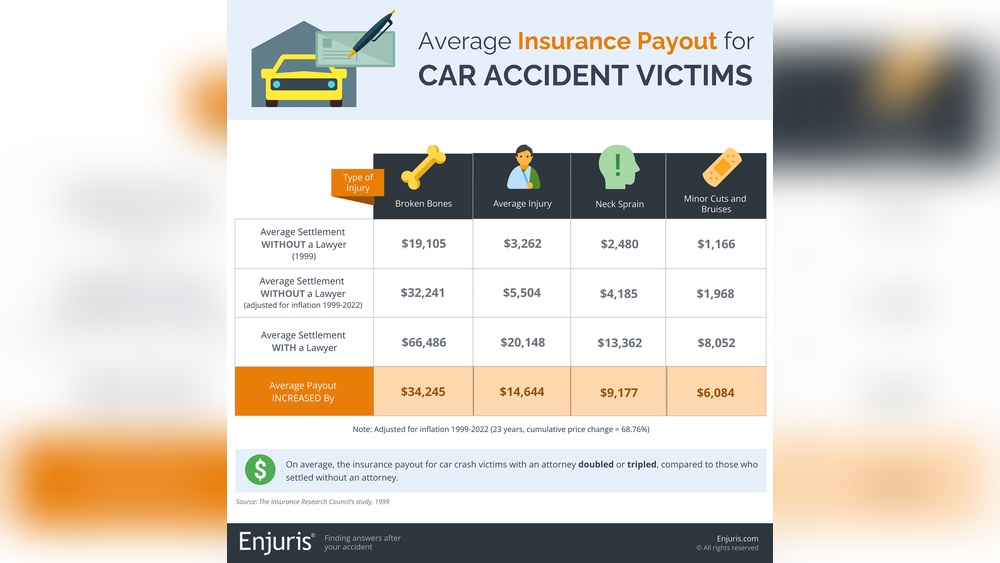
When to hire a lawyer depends on the case’s complexity. A lawyer helps if the insurer denies or delays payment. They know laws and how to fight for you. Also, hire a lawyer if injuries are serious or fault is disputed. Legal advice can improve chances of full compensation.

Common Challenges In Fault Claims
Disputed fault often causes problems in claims. Insurance companies may argue about who caused the accident. This can delay the process and make getting money harder. Gathering clear evidence is key to prove fault.
Claim denials and delays happen when insurers find reasons to reject or slow down claims. They might say damages are not covered or question injury severity. Patience and persistence help in resolving these issues.
Dealing with low settlements is frustrating. Insurance offers less money than expected. This may not cover all repairs or medical bills. Negotiating or hiring a lawyer can improve settlement amounts.
Legal Options And Remedies
Filing a lawsuit against the at-fault driver can be a way to recover damages. This legal step is often needed if insurance claims are denied or not enough to cover losses. In Texas, the law follows a fault-based system, meaning the driver responsible for the accident pays for damages.
Texas law requires you to file a claim within a certain time, called the statute of limitations. Usually, this time limit is two years from the accident date. Missing this deadline can stop you from suing.
Understanding Texas fault laws helps decide if a lawsuit is right. The court looks at who caused the accident and the degree of fault. Sometimes, both drivers share fault, which affects the amount of money you can receive.
Protecting Yourself After An Accident
After an accident, first ensure everyone is safe. Check for injuries and call emergency services if needed. Move to a safe spot, if possible, to avoid further harm.
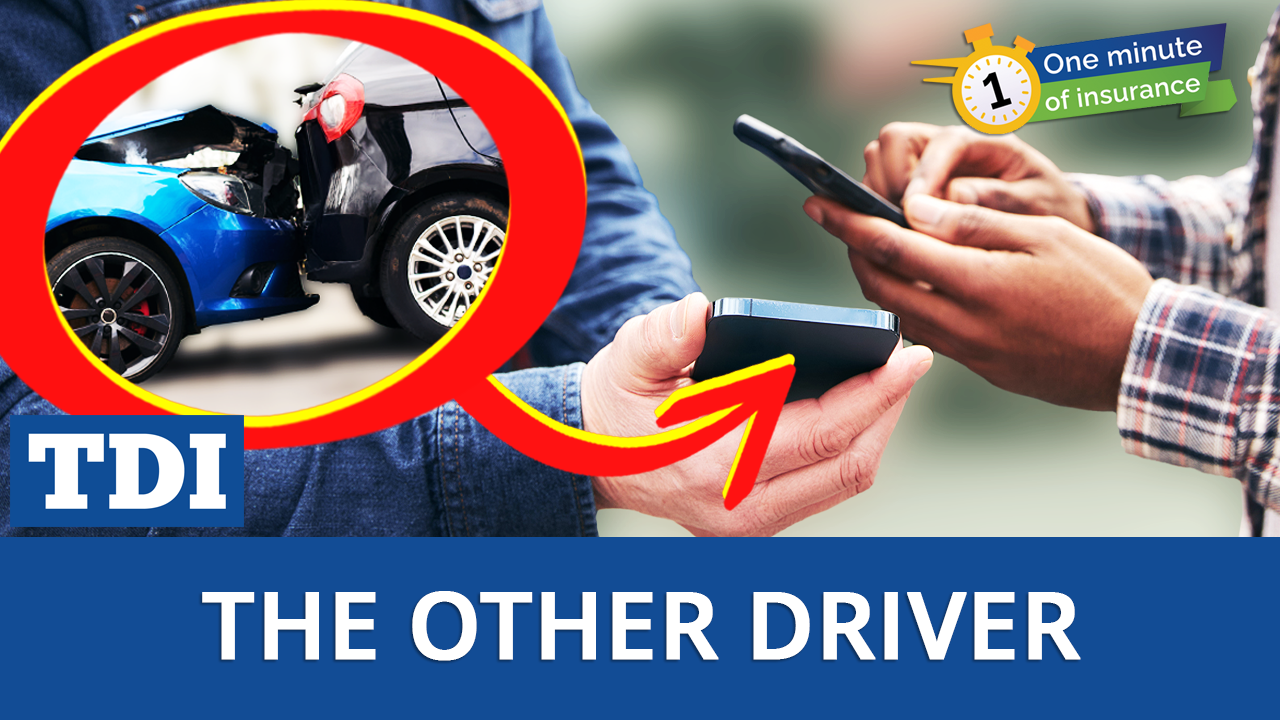
Gather important details about the accident. Write down the date, time, and location. Take photos of vehicle damage and the scene. Exchange names, phone numbers, and insurance info with the other driver.
Contact the police and wait for them to arrive. Give a clear and simple explanation of what happened. Keep a copy of the police report for your insurance claim.
Insurance Types And Their Roles
Liability insurance helps pay for damage you cause to others. It covers their car repairs and medical bills. This insurance is required in most states. It protects your money if you are at fault in an accident.
Uninsured and underinsured motorist coverage helps when the other driver has no or too little insurance. It pays for your injuries and car damage. This coverage is important because not all drivers carry enough insurance.
Personal Injury Protection (PIP) covers your medical bills and lost wages after an accident. It applies no matter who caused the crash. PIP helps you get care quickly and reduces out-of-pocket costs.
Frequently Asked Questions
Will Insurance Pay Out If It’s Your Fault?
Yes, insurance usually pays if you are at fault. Your liability coverage handles damages and injuries to others.
Will Insurance Pay Out If You Are At Fault?
Insurance usually pays out for damages you cause if you are at fault. Your liability coverage handles others’ injuries and property damage.
How Does Insurance Work When It’s Your Fault?
When you cause an accident, your insurance covers the other party’s damages and injuries. Your premiums may increase. You pay your deductible first. Your insurer may handle negotiations and claims on your behalf.
Does Insurance Pay If It’s My Fault?
Yes, your insurance usually pays for damages if you are at fault. Liability coverage handles others’ injuries and property damage.
Conclusion
Filing a fault driver insurance claim can feel confusing and stressful. Knowing your rights helps you handle the process with confidence. Always gather clear evidence at the accident scene. Contact the correct insurance company quickly to start your claim. Understanding how fault is decided protects your interests.
Stay organized and keep all documents safe. Seek advice if the insurance company denies your claim. Taking these steps makes the claim process smoother and fairer. Remember, being informed is your best tool after an accident.
Read More
- Driver Accident Claim Payout: Maximize Your Compensation Today
- Car Crash Compensation Claim: Maximize Your Settlement Today
- Motor Accident Settlement Calculator: Maximize Your Claim Today
- Vehicle Injury Claim Estimate: Maximize Your Compensation Today
- Car Accident Legal Advice: Essential Tips to Protect Your Rights
- Driver Negligence Attorney: Winning Your Accident Claim Fast
- Insurance Dispute Lawyer Cost: What You Need to Know Today
- Personal Injury Claim Lawyer: Maximize Your Compensation Today
- Motorist Claim Protection Plan: Safeguard Your Wallet Today
- Accident Liability Insurance Quote: Get Fast, Affordable Coverage Today