
Getting into a car accident is stressful enough, but the impact on your insurance rates can feel even more overwhelming. You might be asking yourself: How much will my insurance go up?
Will my rates skyrocket, or is there a way to keep them steady? Understanding post-accident insurance rates is crucial because it affects your wallet long after the crash is cleared. You’ll discover what really drives insurance rate increases after an accident, how long those higher rates stick around, and smart steps you can take to minimize the financial hit.
Keep reading to take control of your insurance costs and avoid surprises on your next bill.
Accident Impact On Insurance Rates
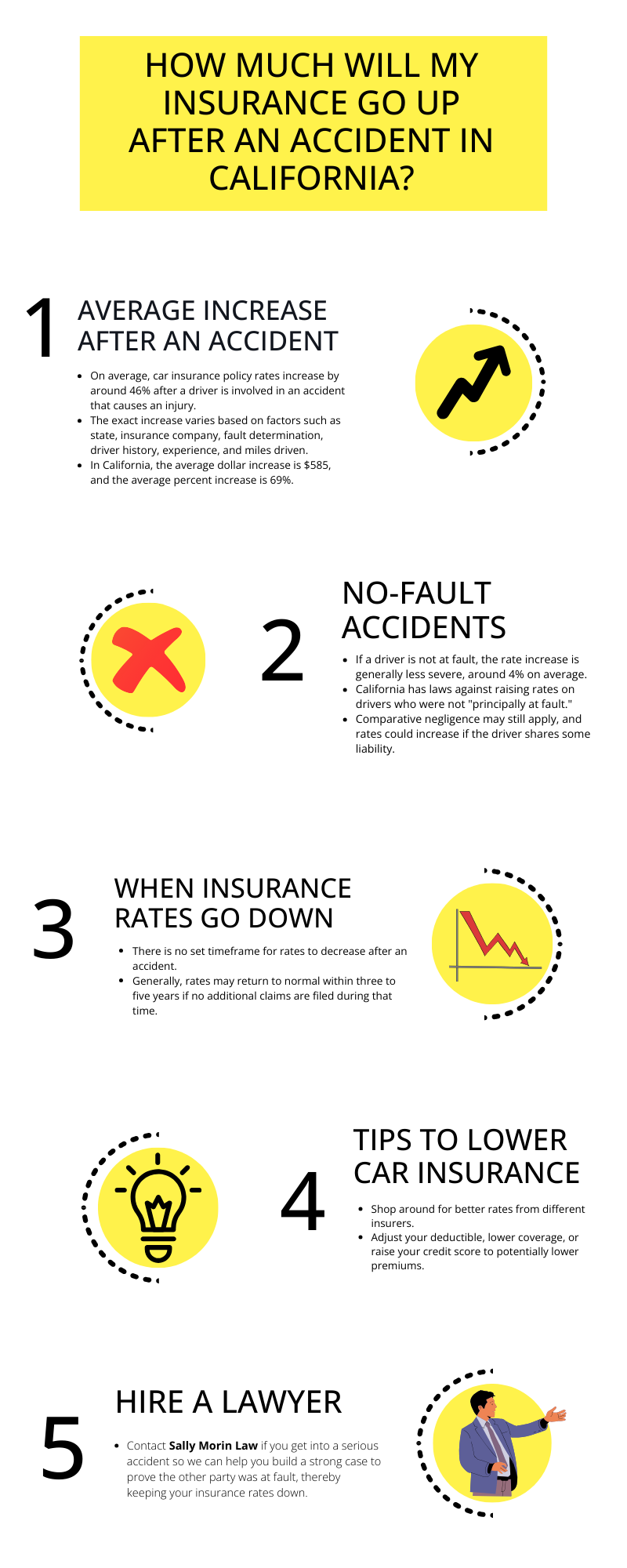
After an accident, insurance rates often rise. The typical increase ranges from 20% to 40%, but this depends on many factors. Severity of the accident and the claim amount affect the rise. Also, the driver’s history plays a big role.
At-fault accidents usually cause higher premium hikes. Some insurance companies may add a surcharge that lasts for about three years. Not-at-fault accidents may not increase rates or only cause a small rise, depending on the insurer.
| Factor | Effect on Premium |
|---|---|
| At-Fault Accident | Higher rate increase, surcharge for 3 years |
| Not-At-Fault Accident | Little or no increase, depending on insurer |
| Severity of Accident | More damage means higher rate increase |
| Driver’s History | Good history may lower rate hike |

Insurance Company Policies
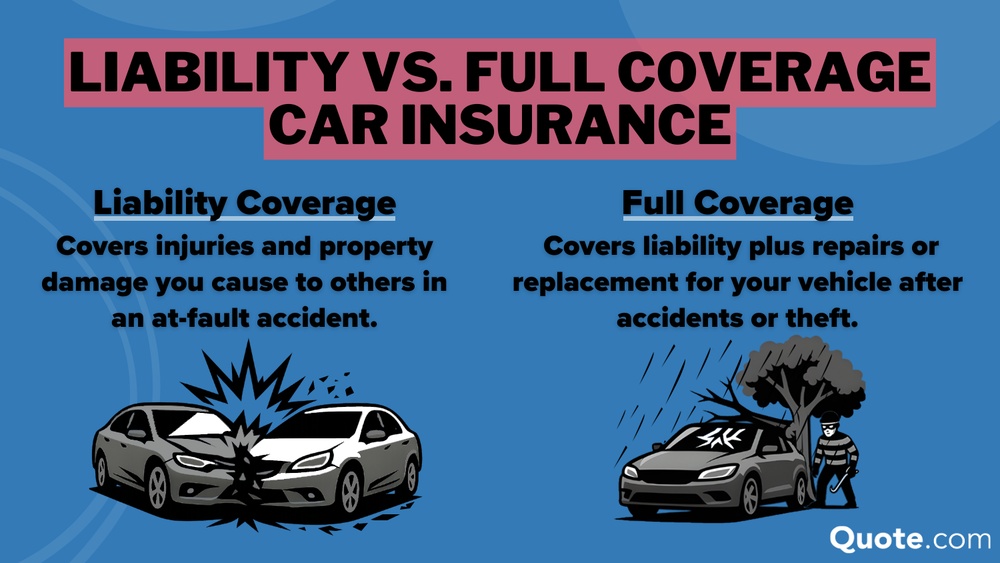
Accident forgiveness programs help some drivers avoid rate increases after minor accidents. These programs usually apply to your first accident. Not all insurers offer this benefit, so check your policy details carefully.
Filing a claim can lead to higher insurance rates. The amount of increase depends on the accident’s severity and your insurance company’s rules. Some companies raise premiums more than others after at-fault accidents.
Rate hikes often last for about three years. During this time, your premiums may stay higher due to the accident on your record. After this period, rates may return to normal if no new claims occur.
Strategies To Reduce Premiums
Negotiate with your insurer by asking for a better rate after an accident. Some companies may reduce your premium if you have a good driving record. It helps to be polite and clear about your concerns.
Choose coverage that fits your needs but avoids extras you don’t need. Lower coverage limits or higher deductibles can reduce your premium. You can also look for discounts like safe driver or multi-policy savings.
Accident forgiveness programs can prevent your rates from rising after a small or first accident. Check if your insurer offers this option and ask how to qualify. It can save money and stress in the long run.
Post-accident Actions
Avoid sharing too many details with your insurance company after an accident. Stick to basic facts only. Do not admit fault or guess what happened. Saying less helps prevent problems later.
Report the accident quickly. Provide all necessary documents like police reports and photos. Keep a copy of everything for your records. This shows you are honest and organized.
| Tool | Purpose | Benefit |
|---|---|---|
| Accident Calculators | Estimate insurance rate increase | Helps plan finances after accident |
| Damage Estimators | Assess car repair costs | Guide repair decisions and claims |
| Claim Trackers | Monitor claim status | Stay informed and reduce stress |
State-specific Considerations
Texas insurance laws affect rates after accidents. Texas is a fault state, which means the person responsible for the crash usually pays higher premiums. Drivers who cause accidents often see a bigger increase in their insurance costs.
Other states use a no-fault system. In those states, each driver’s insurance covers their own damages, no matter who caused the accident. This can lead to different changes in insurance rates compared to fault states.
Texas offers local resources to help drivers understand insurance rules. State agencies and consumer groups provide support for those dealing with rate hikes after accidents. Checking these resources can help drivers make smart insurance choices.
Long-term Premium Management
Maintaining a clean driving record helps keep your insurance premiums low. Avoid traffic tickets and accidents to prevent rate increases. Insurance companies check your driving history regularly. Safe driving shows responsibility and reduces risk, which insurers reward with better rates.
Monitoring your insurance statements is important. Check each bill for errors or unexpected charges. Confirm that discounts or accident forgiveness programs are applied. Contact your insurer immediately if you find mistakes. Staying informed helps control your costs over time.
When to shop for new insurance depends on your current rates and coverage needs. Compare quotes annually or after an accident. Different companies offer varying discounts and policies. Switching can save money and improve coverage. Keep your options open to avoid overpaying.
Frequently Asked Questions
How Much Does Insurance Typically Increase After An Accident?
Insurance rates typically increase 20% to 40% after an accident, depending on fault and insurer policies. Some offer accident forgiveness.
Is It Better To Have A $500 Deductible Or $1000?
A $500 deductible means higher premiums but lower out-of-pocket costs. A $1000 deductible lowers premiums but raises expenses during claims. Choose based on your financial comfort and risk tolerance.
What Not To Tell Your Insurance Company?
Avoid lying about the accident details, admitting fault, or providing unnecessary information that could increase your claim risk.
Can I Avoid A Rate Hike After An Accident?
You can avoid a rate hike by using accident forgiveness programs or not filing a claim. Each insurer’s policy varies.
Conclusion
Post-accident insurance rates often rise, but the amount varies widely. Some insurers offer programs that limit increases after minor accidents. Your driving record and the accident’s severity also affect your new rate. Staying informed helps you plan your budget better.
Always compare quotes to find the best option for you. Remember, safe driving can help keep your rates lower in the future.
Read More
- Fault Driver Insurance Claim: Maximize Your Compensation Today
- Driver Accident Claim Payout: Maximize Your Compensation Today
- Car Crash Compensation Claim: Maximize Your Settlement Today
- Motor Accident Settlement Calculator: Maximize Your Claim Today
- Vehicle Injury Claim Estimate: Maximize Your Compensation Today
- Car Accident Legal Advice: Essential Tips to Protect Your Rights
- Driver Negligence Attorney: Winning Your Accident Claim Fast
- Insurance Dispute Lawyer Cost: What You Need to Know Today
- Personal Injury Claim Lawyer: Maximize Your Compensation Today
- Motorist Claim Protection Plan: Safeguard Your Wallet Today