

If you’ve experienced whiplash after an accident, you’re probably wondering: what is your claim really worth? Understanding whiplash injury claim value can feel confusing and overwhelming.
You want to make sure you get the compensation you deserve for your pain, medical bills, and time missed from work. But how do insurance companies calculate that value? And is it worth pursuing a claim at all? You’ll discover the key factors that affect your whiplash settlement, what typical payouts look like, and how to protect your rights.
Keep reading to get the clear answers you need to make informed decisions about your injury claim.
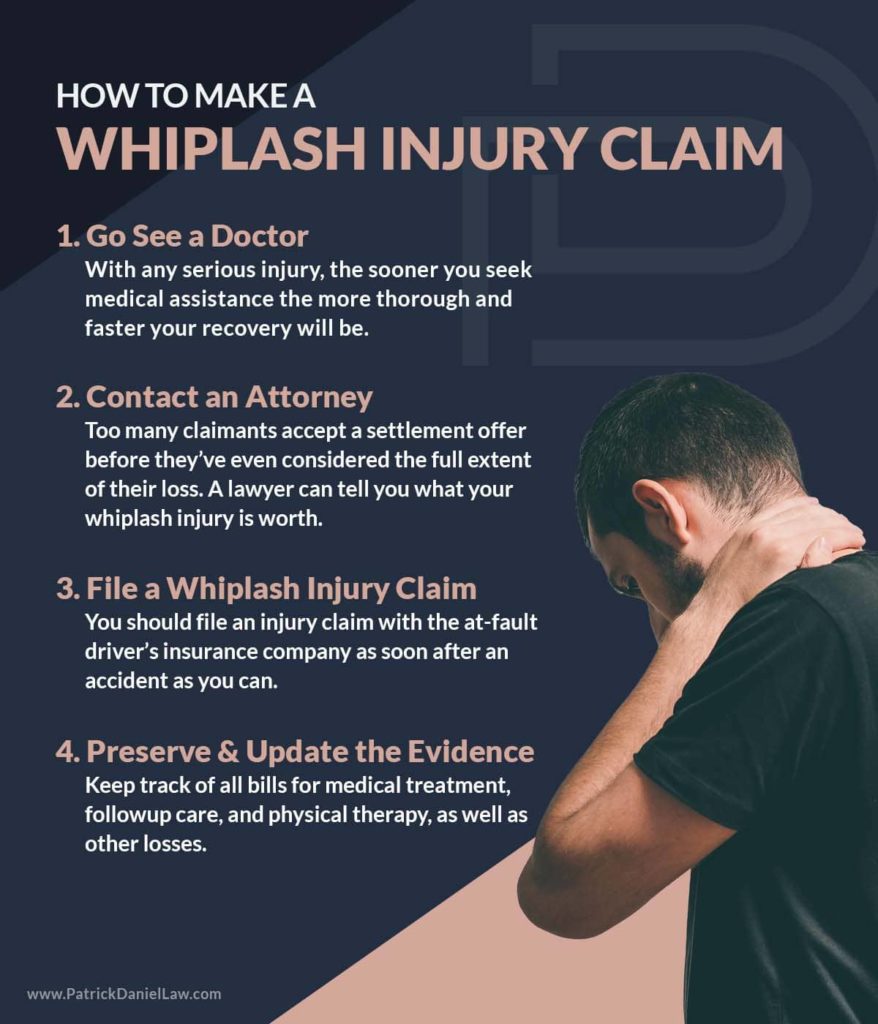
Whiplash Injury Basics
Whiplash happens when the neck moves suddenly and fast. This quick motion can strain muscles and ligaments in the neck. It often occurs during car accidents, sports injuries, or falls. Common symptoms include neck pain, stiffness, headaches, and dizziness. Some people also feel tired or have trouble concentrating.
Treatments usually focus on reducing pain and helping the neck heal. Rest is important but staying active with gentle movements helps recovery. Doctors may suggest physical therapy, pain relievers, or ice and heat packs. Wearing a neck brace is sometimes recommended for a short time.
| Cause | Symptoms | Treatments |
|---|---|---|
| Car accidents | Neck pain, stiffness, headaches | Rest, physical therapy, pain relievers |
| Sports injuries | Dizziness, fatigue, trouble concentrating | Ice/heat packs, gentle neck exercises |
| Falls | Neck soreness, limited movement | Neck brace, gradual activity |
Factors Influencing Claim Value
The severity of injury is a key factor in claim value. Minor strains get lower payouts, while serious injuries with long recovery get higher amounts. Medical reports help prove the injury level.
Medical expenses include costs for doctor visits, X-rays, physical therapy, and medications. The higher these bills, the more compensation you might receive. Keeping all receipts is important.
Lost wages cover the money lost from missing work due to injury. This includes sick leave or time off for recovery. Proof like pay stubs or employer letters support this claim.
The impact on daily life measures how much the injury affects normal activities. Pain, limited movement, or emotional distress can increase claim value. Statements from family or friends may help show this impact.
Typical Whiplash Settlements
The average payout for whiplash injuries ranges widely. Most claims fall between $2,500 and $15,000, depending on the injury’s severity and treatment needed. Minor cases with quick recovery get lower settlements. More serious injuries with long-term effects receive higher payouts.
Compensation covers medical bills, lost wages, and pain and suffering. Some claims may also include costs for physical therapy or counseling if needed.
| State | Typical Compensation Range | Notes |
|---|---|---|
| Texas | $3,000 – $12,000 | Average medical costs and lost work |
| California | $4,000 – $15,000 | Higher settlements due to cost of living |
| New York | $3,500 – $14,000 | Includes pain and suffering damages |
Each state has its own rules and limits affecting payouts. Insurance company policies and local laws also impact the range of compensation. Knowing these can help set realistic expectations.

Maximizing Your Compensation
Gathering medical evidence is crucial for your whiplash claim. Keep all doctor reports, x-rays, and treatment records. These documents prove the injury and the care you received. Regular medical visits show your condition’s seriousness and progress.
Documenting lost income helps show financial impact. Keep records of missed workdays and pay stubs. Ask your employer for a letter confirming lost wages. Include any future income loss if your injury affects work long-term.
Proving pain and suffering is harder but important. Write a daily journal about your pain, emotional stress, and how the injury limits activities. Statements from family and friends can support your claim. Photographs of your injury and recovery help too.
Legal Options For Whiplash Claims
Filing a lawsuit means formally asking a court to decide your claim. This process can take time and requires evidence to prove your injury and losses.
No Win No Fee agreements let you hire a lawyer without paying upfront. You only pay legal fees if your claim succeeds, reducing financial risk for you.
Negotiating settlements involves discussing with the other party or their insurer. Settlements can avoid long court battles and provide quicker compensation.

Common Challenges In Whiplash Claims
Disputing injury severity is a common challenge. Insurance companies often claim the injury is minor or not related to the accident. They may ask for independent medical exams to downplay the injury. This can delay the claim process and reduce compensation.
Insurance company tactics include offering quick settlements for less money. They may use confusing language or deny claims without clear reasons. Claimants must be cautious and know their rights before agreeing to any offer.
The statute of limitations sets a deadline to file a claim. Missing this deadline usually means losing the right to sue. It is important to act quickly and consult a lawyer to avoid this problem.
Working With Personal Injury Lawyers
Choosing the right attorney is key to a successful whiplash claim. A good lawyer understands local laws and how to prove your injury’s impact. They gather evidence and medical records to strengthen your case. Experience with whiplash claims means better negotiation skills with insurance companies.
How lawyers increase claim value:
- They identify all damages, including pain and suffering.
- They ensure all medical treatments are documented.
- They calculate lost wages and future care costs.
- They negotiate with insurers to avoid low offers.
Legal fees and costs often work on a contingency basis. This means lawyers get paid only if you win. Fees are usually a percentage of the settlement. This helps people who cannot pay upfront. Some costs, like filing fees or expert reports, might be deducted from your payout.
Whiplash Claim Trends In Austin, Texas
Settlement data in Austin, Texas shows whiplash claims vary widely. Typical payouts range from $5,000 to $30,000, depending on injury severity and medical costs. Minor injuries often settle for lower amounts, while serious cases with ongoing treatment get higher values.
State laws affect claim values. Texas follows a modified comparative fault rule, which means the payout reduces if the claimant shares fault. Texas also limits pain and suffering damages in some cases.
| Case | Injury Type | Settlement Amount | Notes |
|---|---|---|---|
| Case A | Mild Whiplash | $7,500 | Quick settlement, minor medical bills |
| Case B | Moderate Whiplash | $18,000 | Physical therapy for 3 months |
| Case C | Severe Whiplash | $28,000 | Ongoing treatment, lost wages |
Frequently Asked Questions
What Is A Typical Payout For Whiplash?
Typical whiplash payouts range from $2,500 to $15,000. Settlements depend on injury severity, medical costs, and lost wages.
How Much Will I Get From A $50,000 Settlement?
From a $50,000 settlement, expect deductions for medical bills, legal fees, and taxes. Your net amount depends on these factors.
Is It Worth Suing For Whiplash?
Suing for whiplash can be worth it if injuries cause significant pain, medical bills, or lost wages. Compensation varies by case severity.
What Is The Average Payout For Whiplash In A Car Accident?
The average whiplash payout ranges from $3,000 to $15,000, depending on injury severity, medical costs, and lost wages.
Conclusion
Whiplash injury claim values vary widely based on many factors. Medical costs, pain, and lost wages impact payouts. Each case is unique and deserves careful review. Understanding these elements helps set realistic expectations. Seek guidance from a trusted professional for fair compensation.
Taking action can protect your rights after injury. Remember, timely steps improve your claim’s success. Stay informed and prepared throughout the process.
Read More
- Fault Driver Insurance Claim: Maximize Your Compensation Today
- Driver Accident Claim Payout: Maximize Your Compensation Today
- Car Crash Compensation Claim: Maximize Your Settlement Today
- Motor Accident Settlement Calculator: Maximize Your Claim Today
- Vehicle Injury Claim Estimate: Maximize Your Compensation Today
- Car Accident Legal Advice: Essential Tips to Protect Your Rights
- Driver Negligence Attorney: Winning Your Accident Claim Fast
- Insurance Dispute Lawyer Cost: What You Need to Know Today
- Personal Injury Claim Lawyer: Maximize Your Compensation Today
- Motorist Claim Protection Plan: Safeguard Your Wallet Today

